
If you’ve spent any time optimizing your grocery budget to support a high-protein lifestyle, you’ve likely encountered swai fish. It’s the ultimate “ghost” protein—pale, mild, and almost suspiciously affordable. For a busy professional or a student pulling twelve-hour shifts, a $6 bag of frozen fillets looks like a logistical win for meal prep.
However, in the nuance of clinical nutrition, price is often a proxy for the rearing environment. Swai (Pangasianodon hypophthalmus), a type of shark catfish predominantly farmed in the Mekong Delta, occupies a complicated space. It isn’t “fake” fish, but from a bio-optimization standpoint, it is a fundamentally different animal than the cold-water species we typically associate with health.
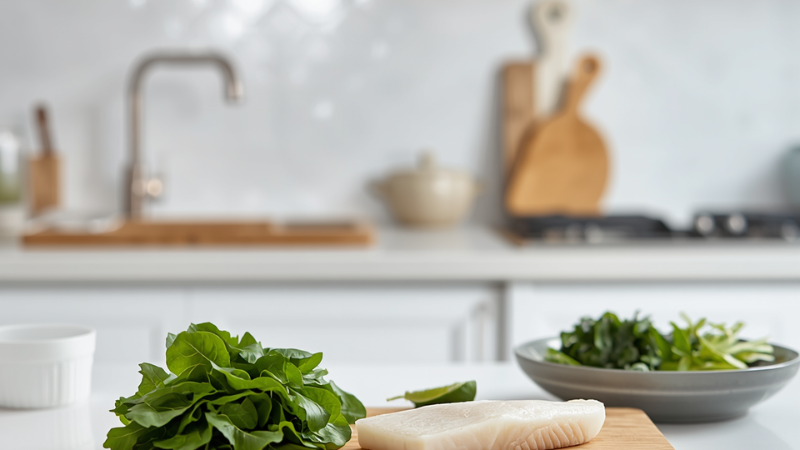
The Nutritional Breakdown: Beyond the Macronutrient Mask
While the “fitness” view of swai is positive—roughly 15–19g of lean protein per 4oz serving and a negligible 1.5–3g of fat—a senior strategist looks at the micronutrient density and lipid quality.
The Omega-3 Deficiency
The primary reason we prescribe fish in a health-optimization protocol is for the long-chain Omega-3 fatty acids, EPA and DHA. Swai, being a freshwater tropical fish, is naturally low in these.
- The Reality: While wild-caught salmon provides upward of 1,200mg–2,000mg of Omega-3s per serving, swai often clocks in under 100mg.
- The Performance Hit: If you swap oily fish for swai without adjusting your supplement stack, you are effectively inducing a DHA deficit over a 4-to-8 week period, which can manifest as decreased cognitive fluidity and slower recovery from high-intensity training.
Micronutrient Thresholds
Swai does offer a respectable dose of Selenium (approx. 15-20mcg) and Vitamin B12, but it lacks the iodine and Vitamin D concentrations found in saltwater alternatives. It is a “clean slate” protein—easy to digest, but nutritionally thin.
The Bio-Optimization Mechanism: Inflammation & Trace Contaminants
When evaluating a food source, we must look at how it influences the pro-inflammatory cytokine environment.
Lipid Ratios and Systemic Stress
The fatty acid profile of swai is heavily influenced by its feed—usually a mix of soy, rice bran, and grain. This creates a higher Omega-6 to Omega-3 ratio. In a lifestyle already burdened by work stress and high cortisol, adding pro-inflammatory fats can exacerbate “low-grade” systemic inflammation. This isn’t an overnight disaster, but over 3–6 months of consistent consumption, it can contribute to that persistent “heavy” feeling in the joints or a subtle loss of focus.
The Mekong Variable
The concern isn’t just mercury—swai is actually relatively low in mercury compared to Tuna. The real issue is trace residues of veterinary drugs and heavy metals like arsenic or lead found in high-density aquaculture. For someone managing a high-output career, even sub-clinical levels of these toxins can interfere with mitochondrial respiration, leading to unexplained afternoon fatigue.
User Segmentation: Strategic Application
The High-Performance Professional (The “Biohacker”)
If you are tracking biomarkers and optimizing for 1% gains, swai is a sub-optimal tool. The risk-to-reward ratio regarding inflammatory markers and the lack of neuroprotective fats makes it a “filler” food rather than a functional one.
The Budget-Conscious Optimizer
For a student or a young professional, swai is a massive step up from processed deli meats or fast food. It provides high-quality amino acids necessary for muscle protein synthesis at a fraction of the cost of beef.
The “Hidden” Additive: Sodium Tripolyphosphate (STPP)
Most frozen swai is treated with STPP to prevent “drip loss.” While safe in small doses, inorganic phosphates are highly bioavailable. If your diet is already high in processed foods, this added phosphate load can subtly disrupt calcium-phosphorus homeostasis, potentially impacting bone density over years of use.
Case Examples: Real-World Clinical Context
Case 1: The Lipid Imbalance
- User: Mark, 31, a data analyst. He switched to swai for five meals a week to save money for six months.
- Observation: Mark reported a “mental lag” and increased dry eye symptoms.
- The Fix: We didn’t tell him to stop eating swai. Instead, we introduced a 2,000mg daily dose of high-DHA fish oil and one serving of sardines weekly. Within three weeks, his cognitive “snap” returned.
Case 2: The Detox Support
- User: Sarah, 24, a grad student. She eats swai because it’s the only fish she can afford.
- The Strategy: To mitigate the potential “Mekong Factor,” we focused on her Phase II liver detoxification.
- The Fix: She pairs her swai with 200g of steamed broccoli or a sulforaphane supplement to support the glutathione pathway.
[How Chronic Inflammation Affects Productivity → /articles/inflammation-and-focus]
Differentiation: What Most Supplement Guides Get Wrong
Most generic health blogs label swai as “toxic” or “perfect” without nuance. They miss the bio-availability factor. Swai is a “neutral” protein. The mistake isn’t eating the fish; the mistake is assuming it provides the same benefits as cold-water seafood. If you treat swai like chicken breast—meaning you supplement for the fats you’re missing—it becomes a useful tool. If you treat it like a “health food” that covers your Omega-3 needs, your cognitive performance will eventually pay the price.
Optimization Strategy: The Corrective Stack (Affiliate Recommendations)
If swai is a staple in your kitchen, you need to bridge the biochemical gaps it leaves behind.
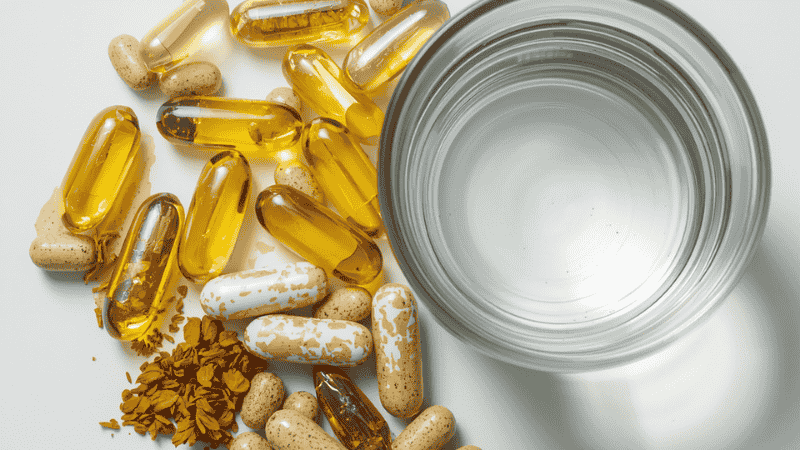
- Best for Brain Fog: High-DHA Omega-3 Concentrate. Because swai is DHA-deficient, a concentrated dose (1000mg+) is required to maintain synaptic plasticity.
- Best for Stress: Bacopa Monnieri. If the inflammatory profile of farmed fish concerns you, Bacopa provides neuroprotective support and helps manage the cortisol spikes associated with work stress.
- Best for Long-Term Use: Chlorella or Sulforaphane. To assist with the natural excretion of trace heavy metals or phosphates, daily greens or cruciferous extracts provide essential liver support.
Safety & Dosage Guidance
Safety Disclaimer: The following information is for educational purposes only and does not constitute medical advice. Always consult with a healthcare professional before starting a new supplement regimen or making significant changes to your diet, especially if you have underlying health conditions.
- Dosage Caution: Do not exceed 3 servings of swai per week to minimize the risk of cumulative exposure to trace contaminants.
- Who Should Avoid: Pregnant or nursing women and young children should prioritize low-mercury, high-DHA wild-caught fish (like salmon or sardines) over farmed swai due to the sensitive nature of developing nervous systems.
- Consult a Professional: If you experience persistent fatigue or skin rashes after introducing swai, consult an allergist or a functional medicine practitioner to rule out sensitivity to additives like STPP.
FAQ
Is swai fish better than tilapia? Nutritionally, they are similar “lean” proteins. Tilapia often has a slightly higher Omega-3 content, but swai is preferred by many for its “buttery” texture. Both require supplemental fat support.
Why was swai “banned” in some areas? The “ban” was largely a result of trade disputes and labeling laws regarding the name “Catfish.” It is currently legal and inspected for sale in the United States under strict FDA guidelines.
How do I know if my swai is safe? Look for ASC (Aquaculture Stewardship Council) or BAP (Best Aquaculture Practices) certifications on the packaging. These labels indicate higher standards for water quality and antibiotic management.
Does swai contain high levels of mercury? Actually, no. Because swai is a relatively short-lived fish and is herbivorous/omnivorous, it does not bioaccumulate mercury to the levels found in Tuna or Swordfish.