

You’ve been taking vitamin D consistently. Maybe three months, maybe six. You go back for a blood test expecting your 25(OH)D levels to have climbed, and the number is… barely moved. The supplement is real, the dose is reasonable, you take it with food. So why isn’t it working?
For a meaningful number of people, the answer isn’t the vitamin D itself — it’s what’s missing to process it. Vitamin D is not a molecule your body can simply absorb and use. It goes through two enzymatic conversion steps before it becomes biologically active: first in the liver, then in the kidneys. Both of those steps require magnesium as a cofactor. If magnesium is insufficient, those enzymes work slowly or incompletely, and the vitamin D you’re taking remains largely inactive — sitting in your blood as a precursor rather than functioning as the hormone it’s supposed to become.
This guide explains the specific mechanism behind the magnesium and vitamin D relationship, what it means practically for how you supplement, and how the two fit together with vitamin K2 in a broader nutritional framework that supports bone, cardiovascular, and sleep health simultaneously.
Key Takeaways
- Vitamin D must be converted through two enzymatic steps before it becomes biologically active — first in the liver (producing 25(OH)D) and then in the kidneys (producing 1,25(OH)2D, the active form). Both conversions require magnesium as a cofactor.
- A review published in the Journal of the American Osteopathic Association (Uwitonze & Razzaque, 2018) concluded that “all enzymes that metabolize vitamin D seem to require magnesium” — making it functionally essential for vitamin D to work at all.
- A clinical study found that a significant increase in serum 25(OH)D was achieved only when vitamin D supplementation was given alongside magnesium — not with vitamin D alone.
- Vitamin D and magnesium deficiency often coexist in the same people: approximately 50% of the world population has insufficient vitamin D; 30–50% of people in high-income countries don’t meet the magnesium RDA.
- Both are fat-soluble nutrients that work better with dietary fat. Taking them together with a fat-containing meal is practical and doesn’t require complex timing.
- Magnesium, vitamin D3, and K2 address overlapping biological pathways — bone mineralization, cardiovascular calcium regulation, and sleep — making a combined approach more complete than supplementing any single one.
How Vitamin D Actually Works in the Body
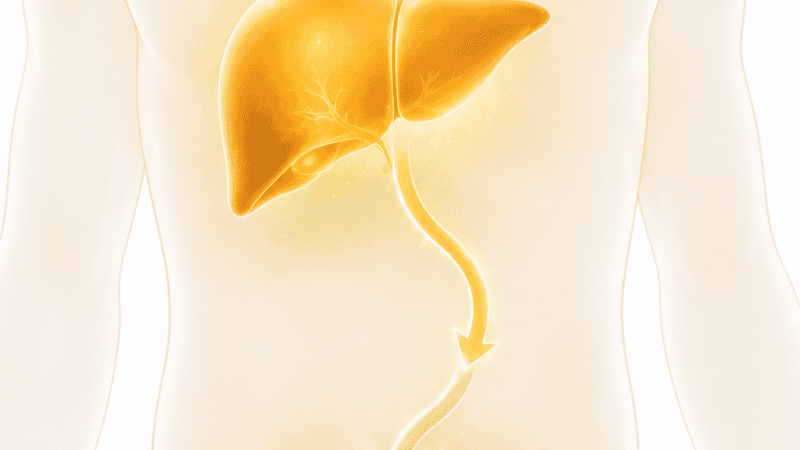
Most people understand that vitamin D is important. Fewer realize that the vitamin D you get from sunlight or supplements isn’t the form your body actually uses.
The vitamin D3 your skin synthesizes from UV-B exposure, or that you swallow in a supplement, is a precursor — biologically inert until converted. It needs to pass through two transformation steps:
Step 1 — In the liver: An enzyme called CYP2R1 adds a hydroxyl group to vitamin D, converting it to 25-hydroxyvitamin D (25(OH)D). This is the form measured in blood tests — “your vitamin D level” in standard lab results. But 25(OH)D is still not the active form; it’s a storage and transport intermediate.
Step 2 — In the kidneys: A second enzyme, CYP27B1 (the 1α-hydroxylase), adds another hydroxyl group, converting 25(OH)D to 1,25-dihydroxyvitamin D (1,25(OH)2D) — also called calcitriol. This is the biologically active form that regulates calcium absorption in the gut, supports immune cell function, influences gene expression, and does everything vitamin D is known for.
Here’s the critical point: both of these enzymes require magnesium as a cofactor. Not as a helper nutrient or a nice-to-have. As a structural requirement for the enzyme to function. Without adequate magnesium, CYP2R1 and CYP27B1 work inefficiently — vitamin D moves through the activation pathway slowly, and the active hormone your body needs doesn’t get produced in the amounts that supplementation was supposed to provide.
A 2018 systematic review published in the Journal of the American Osteopathic Association put it plainly: “All of the enzymes that metabolize vitamin D seem to require magnesium, which acts as a cofactor in the enzymatic reactions in the liver and kidneys.”
Does Magnesium Help Vitamin D Absorption?
This question comes up frequently, and it’s worth being precise about what “absorption” means here.
Magnesium doesn’t increase the absorption of vitamin D from your gut — that’s primarily a function of fat in your meal and the health of your digestive tract. What magnesium does is affect what happens after vitamin D is absorbed: whether it gets successfully converted into its active form.
The distinction matters because you can have normal vitamin D absorption and still have suboptimal vitamin D activity if magnesium is low. Your supplement is getting into your bloodstream; it’s just not making it all the way through the activation process.
A clinical trial found that supplementing both vitamin D and magnesium together produced a significantly higher increase in serum 25(OH)D compared to taking vitamin D alone — even though the vitamin D dose was the same in both conditions. The magnesium wasn’t delivering more vitamin D to the bloodstream; it was allowing the liver’s conversion enzyme to work more efficiently, producing more of the usable 25(OH)D intermediate.
Beyond the activation enzymes, magnesium also influences:
Vitamin D receptor (VDR) density: Magnesium appears to affect the number of vitamin D receptors expressed in target cells. Fewer receptors means the active form of vitamin D has fewer places to bind and exert its effects — even if blood levels look adequate.
PTH regulation: Parathyroid hormone (PTH) regulates the kidney’s production of active vitamin D. Magnesium deficiency can reduce both PTH synthesis and secretion, which indirectly reduces the signal for the kidney to produce active vitamin D. This creates a cascading effect where magnesium deficiency compounds vitamin D underperformance through multiple pathways simultaneously.
Why Vitamin D and Magnesium Deficiency Often Come Together
This isn’t random. The same lifestyle patterns that deplete one tend to deplete the other.
Limited sun exposure and indoor lifestyles reduce vitamin D synthesis. The same pattern — sedentary, indoors, processed-food-heavy diets — is also associated with low magnesium intake, since magnesium-rich foods (leafy greens, nuts, seeds, legumes) are often underrepresented in convenience-food diets.
High stress and cortisol: Chronic stress elevates cortisol, which increases urinary magnesium excretion. It also, separately, tends to reduce outdoor activity and sun exposure. Both nutrient stores deplete under sustained stress.
Certain medications: Diuretics, proton pump inhibitors, and some diabetes medications deplete magnesium. Several of the same medications — corticosteroids, some anticonvulsants — also affect vitamin D metabolism.
Obesity: Vitamin D is fat-soluble and gets sequestered in adipose tissue, reducing circulating levels. Obesity is also associated with lower magnesium status.
The epidemiological overlap is stark: approximately 50% of the world’s population has insufficient vitamin D (below 20 ng/mL). In high-income countries, 30–50% of people don’t meet the RDA for magnesium. These numbers overlap significantly, and the physiological mechanism — magnesium’s role in vitamin D activation — suggests this is more than coincidence.
Magnesium and Vitamin D for Sleep: The Overlooked Connection
This is where the two筒仓 in this website’s content structure genuinely intersect.
Vitamin D influences sleep through its role in regulating melatonin production, managing cortisol patterns, and its direct receptors in brainstem sleep-control centers. Magnesium influences sleep through GABA-B receptor activation, HPA axis cortisol regulation, and muscle relaxation. These are different pathways — but they interact.
The practical overlap: both vitamin D and magnesium deficiency are associated with poor sleep quality, more frequent nighttime waking, and difficulty maintaining restorative sleep. Both are particularly relevant in winter months when sun exposure is limited and stress tends to run higher. And because magnesium is required for vitamin D activation, optimizing magnesium status is also indirectly optimizing whatever sleep-related benefits vitamin D provides.
For someone supplementing magnesium glycinate for sleep who hasn’t been thinking about vitamin D — or supplementing vitamin D for health who hasn’t been thinking about magnesium — addressing both is likely more effective than optimizing either in isolation.
For a complete guide to how magnesium supports sleep specifically, see our dedicated guide: Best Magnesium for Sleep: Glycinate, Threonate, and Taurate Compared (Sleep Pillar)
Should I Take Magnesium With Vitamin D?
Direct answer: yes, for most people — and the case becomes stronger at higher vitamin D doses.
At maintenance doses of vitamin D (1,000–2,000 IU/day), magnesium’s role in activation is still present but the stakes are lower. At correction doses (3,000–5,000 IU/day or above), more vitamin D is passing through the activation pathway — and if magnesium is insufficient, a larger proportion of that supplemental D remains as inactive precursor.
The practical approach: ensure your magnesium intake is adequate before or alongside vitamin D supplementation. “Adequate” means dietary intake of approximately 320–420 mg/day of elemental magnesium (NIH RDA by sex), supplemented if dietary sources fall short.
You don’t need to take them at the exact same moment. Both are fat-soluble and absorb well with a fat-containing meal. Taking them together with dinner is practical and commonly done. If you have a preference for taking vitamin D in the morning, magnesium in the evening works equally well for the underlying biochemistry — the enzyme availability relationship isn’t time-sensitive within a 24-hour cycle.
Do I Need Magnesium With Vitamin D? Addressing Common Scenarios
“I’ve been taking vitamin D for months and my levels haven’t budged much.” This is the most important scenario. Before increasing your vitamin D dose, check your magnesium intake. If you’re consistently under the RDA for magnesium — which is common in people eating primarily processed foods or those under chronic stress — adding magnesium supplementation may do more for your vitamin D status than doubling the vitamin D dose.
“My vitamin D levels are in range, but I still feel like it’s not doing anything.” Blood levels of 25(OH)D reflect the storage/transport intermediate — not the active form. If magnesium is low, the second conversion step (kidney, CYP27B1) may be suboptimal even when 25(OH)D looks normal. Adequate magnesium status supports the complete activation pathway.
“I already take magnesium for sleep — should I change anything?” If you’re taking magnesium glycinate for sleep (typically 200–350 mg elemental magnesium before bed), that dose likely covers your baseline needs for supporting vitamin D metabolism too. Taking vitamin D with dinner and magnesium glycinate before bed is a practical, commonly used protocol.
Magnesium, Vitamin D3, and K2: The Three-Nutrient Framework
This is where the practical guidance becomes most complete — and where the three nutrients that appear across this website’s content fit together as a coherent system.

Vitamin D3 increases calcium absorption from the gut — this is its primary documented role for bone health. It also supports immune function, mood regulation, and sleep through its own pathways.
Magnesium activates vitamin D at both conversion steps (liver and kidney), supports vitamin D receptor function, and independently regulates sleep, muscle function, the nervous system, and cardiovascular health.
Vitamin K2 activates the proteins (osteocalcin and Matrix Gla Protein) that direct absorbed calcium toward bones and away from arterial walls — ensuring the calcium that vitamin D helped absorb ends up in the right places.
Each of these three nutrients influences the others’ effectiveness:
- Without magnesium, vitamin D can’t be fully activated
- Without vitamin D, calcium absorption is reduced
- Without K2, increased calcium absorption (from D3) doesn’t reliably end up in bone
The magnesium d3 k2 supplement approach — combining all three in one product or as a coordinated daily protocol — addresses this interconnection directly. This isn’t supplement stacking for its own sake; it’s addressing three genuinely interdependent pathways simultaneously.
A practical combined protocol:
- Vitamin D3: 1,000–2,000 IU (maintenance) or per blood-test-guided correction
- Vitamin K2 (MK-7): 90–200 mcg
- Magnesium (as glycinate for sleep/relaxation, or malate for energy): 200–350 mg elemental magnesium
All three are fat-soluble and absorb best with a fat-containing meal. Taking them together at dinner is practical and well-supported.
Safety and What to Watch For
Magnesium and vitamin D together are generally safe for healthy adults at recommended doses. A few specific considerations:
High-dose vitamin D without adequate magnesium: Some research suggests that supplementing high-dose vitamin D can further deplete magnesium, because more magnesium is required to process larger vitamin D loads. This creates a situation where high-dose vitamin D supplementation without attending to magnesium may actually worsen magnesium status over time.
Kidney disease: Both vitamin D activation and magnesium excretion are kidney-dependent. Anyone with chronic kidney disease should have medical supervision for supplementation of either nutrient.
Anticoagulants: If you’re on warfarin or similar medications, the K2 component requires physician coordination (as covered in our K2 guide). Magnesium and vitamin D don’t have the same anticoagulant interaction.
Starting with one and adding the other: If you currently take vitamin D and want to add magnesium, or vice versa, there’s no complex protocol required. Start the additional supplement at a standard maintenance dose and monitor how you feel. The combination has been studied in clinical trials and shows good tolerability in healthy adults.

Frequently Asked Questions
Does magnesium help vitamin D absorption? Magnesium doesn’t increase gut absorption of vitamin D — it enables the enzymatic activation that occurs after absorption. Without adequate magnesium, the liver and kidney enzymes that convert inactive vitamin D into its active form (1,25(OH)2D) work less efficiently. This means vitamin D in your bloodstream may not convert to the biologically active hormone in the amounts your supplementation was intended to produce.
Should I take magnesium with vitamin D? Yes, for most people. The case is stronger at higher vitamin D doses. At maintenance doses (1,000–2,000 IU/day), ensure your dietary magnesium intake meets the RDA (320–420 mg/day). At correction doses (3,000 IU+), supplemental magnesium is worth adding if dietary intake is consistently low. They don’t need to be taken at the exact same time — both are fat-soluble and work within a 24-hour metabolic window.
Can low magnesium cause vitamin D deficiency? Not directly — magnesium deficiency doesn’t stop vitamin D synthesis from sunlight or absorption from supplements. But it can prevent vitamin D from being fully activated, meaning blood levels of 25(OH)D may be misleadingly low (because the liver conversion is impaired) and the active hormone 1,25(OH)2D may be insufficient even when supplemental D is taken.
What is the best magnesium to take with vitamin D? For sleep and nervous system support alongside vitamin D: magnesium glycinate (200–350 mg elemental magnesium). For energy and general health support: magnesium malate. Both are well-absorbed and gentle on the digestive tract. The form of magnesium doesn’t change its role as a cofactor for vitamin D enzymes — any well-absorbed form will support the activation pathway.
Can I take magnesium, vitamin D3, and K2 together? Yes — and there’s a physiological rationale for doing so. All three are fat-soluble and absorb best with dietary fat. D3 increases calcium absorption; K2 directs calcium to bone and away from arteries; magnesium enables D3 activation and independently supports sleep, muscle, and cardiovascular function. Taking all three with a fat-containing meal is practical and commonly recommended.
Do magnesium and vitamin D help with sleep? Both independently support sleep through different mechanisms — magnesium through GABA activation and cortisol regulation; vitamin D through melatonin support and brainstem receptors. Since magnesium is required to activate vitamin D, ensuring adequate magnesium status also supports whatever sleep-related benefits vitamin D provides. Together they address overlapping aspects of the sleep-disrupting physiological environment.
The Bottom Line
Magnesium and vitamin D are not just two nutrients that happen to be good for you — they’re biochemically dependent on each other in a specific, mechanistic way. Vitamin D cannot complete its activation pathway without magnesium. Ensuring adequate magnesium is, in a meaningful sense, a prerequisite for vitamin D to work as intended.
If you’re supplementing vitamin D and not seeing the expected response in blood levels or in how you feel, magnesium status is one of the first things worth examining. And if you’re supplementing magnesium for sleep or general health, knowing that it also supports your vitamin D metabolism gives you a more complete picture of what you’re actually doing.
The three-nutrient framework — magnesium, D3, and K2 — addresses a connected set of pathways that most people are trying to support anyway: bone health, cardiovascular calcium management, immune function, and sleep. Supplementing them in coordination, rather than one at a time, tends to be more effective than treating each in isolation.
Want to understand how vitamin D and K2 work together on calcium direction — and why taking D3 without K2 may leave results incomplete? Vitamin D and K2: Why You Shouldn’t Take One Without the Other (C4)
Specifically focused on magnesium for sleep? Our complete guide covers glycinate, threonate, and taurate: Best Magnesium for Sleep: Glycinate, Threonate, and Taurate Compared (Sleep Pillar)
References
- Uwitonze AM, Razzaque MS. Role of Magnesium in Vitamin D Activation and Function. Journal of the American Osteopathic Association. 2018;118(3):181-189. doi:10.7556/jaoa.2018.037
- Magner J, Holt PR, Lindlahr HF, Sherwood LM. Combined vitamin D and magnesium supplementation does not influence markers of bone turnover or glycemic control. Nutrition. 2022;100:111664. doi:10.1016/j.nut.2022.111664
- Deng X, Song Y, Manson JE, et al. Magnesium, vitamin D status and mortality: results from US National Health and Nutrition Examination Survey (NHANES) 2001 to 2006 and NHANES III. BMC Medicine. 2013;11:187. doi:10.1186/1741-7015-11-187
- National Institutes of Health Office of Dietary Supplements. Magnesium: Fact Sheet for Health Professionals. https://ods.od.nih.gov/factsheets/Magnesium-HealthProfessional/
- National Institutes of Health Office of Dietary Supplements. Vitamin D: Fact Sheet for Health Professionals. Updated August 2023. https://ods.od.nih.gov/factsheets/VitaminD-HealthProfessional/
- van Ballegooijen AJ, Pilz S, Tomaschitz A, Grübler MR, Verheyen N. The Synergistic Interplay between Vitamins D and K for Bone and Cardiovascular Health: A Narrative Review. International Journal of Endocrinology. 2017;2017:7454376.