
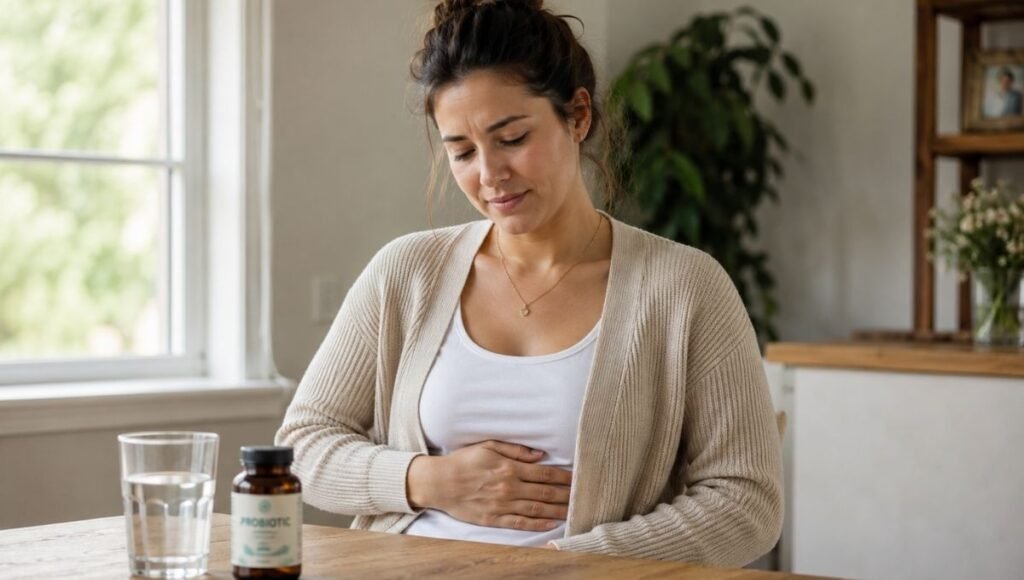
There’s a moment many people recognize. You eat something — maybe nothing unusual — and by afternoon you’re uncomfortably bloated, your waistband feels tighter than it did at breakfast, and you’re vaguely miserable in a way that’s hard to explain to anyone who isn’t experiencing it. You’ve tried eliminating foods. You’ve tried eating more slowly. You’ve tried digestive enzymes. Someone suggests probiotics.
At this point, the internet becomes both helpful and overwhelming. Probiotics are described as beneficial for everything from bloating to depression to weight loss to immunity. Some of these claims have real evidence behind them. Some are marketing dressed as science. Knowing which is which is the actual useful information — and most probiotic content doesn’t tell you.
This guide covers what probiotics genuinely do, for which conditions the evidence is strong, where it’s moderate and worth considering, and where it’s still too preliminary to act on. The goal isn’t to discourage probiotics — it’s to help you use them with realistic expectations and choose the right strain for what you’re actually dealing with.
Key Takeaways
- Strongest evidence: Probiotics for diarrhea (antibiotic-associated and acute infectious), IBS symptom management, and eczema in infants and children. These are supported by multiple randomized controlled trials and systematic reviews.
- Probiotics for bloating: A 2018 systematic review in Alimentary Pharmacology & Therapeutics (Hungin et al., European Society for Primary Care Gastroenterology) found consistent evidence that probiotics reduce lower gastrointestinal symptoms including bloating, with the most benefit seen in people with IBS.
Probiotics for skinworks through the gut-skin axis — intestinal bacteria influence skin immune responses, and probiotic supplementation has shown meaningful reductions in atopic dermatitis (eczema) severity in multiple trials.- Weaker evidence: Probiotics for weight loss, cholesterol, depression, and anxiety show preliminary results but insufficient consistency for strong recommendations. These areas are actively researched — the picture may change.
- Strain specificity matters for all benefits — the evidence for Lactobacillus rhamnosus GG for diarrhea doesn’t transfer to other strains for other conditions.
- Most probiotic benefits take 2–8 weeks to appear; some require 3+ months for meaningful gut microbiome shifts.
Probiotics for Bloating: What’s Actually Happening
Bloating is one of the most common reasons people try probiotics — and one of the areas with the most consistent evidence for benefit, particularly in people with IBS or functional digestive issues.
The mechanism isn’t mysterious once you understand basic gut microbiology. Bloating — that uncomfortable distension and gas pressure — primarily comes from fermentation of undigested carbohydrates by colonic bacteria. Certain bacterial populations (including some Clostridium strains and sulfate-reducing bacteria) produce more gas as byproducts of fermentation than others. When the gut microbiome is dysbiotic — skewed toward gas-producing species — bloating worsens.
Probiotics address this through competitive exclusion: beneficial bacteria occupy intestinal wall attachment sites, compete for nutrients, and produce antimicrobial substances that reduce the relative abundance of gas-producing species. They also improve gut motility in some cases, meaning gas moves through the intestine more efficiently rather than accumulating and causing pressure.
A 2018 systematic review published in Alimentary Pharmacology & Therapeutics (Hungin et al., commissioned by the European Society for Primary Care Gastroenterology) reviewed the evidence for probiotics in lower gastrointestinal symptoms. The review found consistent evidence that probiotics reduce bloating, flatulence, and abdominal discomfort — with the most robust effects in people with IBS. The effects were strain-dependent and typically emerged within 4 weeks of consistent supplementation.
The probiotics most studied for bloating:
- Bifidobacterium infantis 35624 — specifically studied for IBS-related bloating; showed significant reductions in bloating scores in a landmark RCT
- Lactobacillus plantarum 299v — multiple trials showing reduction in bloating and abdominal pain in IBS patients
- Multi-strain formulas containing Lactobacillus and Bifidobacterium — showed benefit in several trials, though strain-specific research is harder to interpret
What to realistically expect: If bloating is IBS-related or functional (no structural cause), a well-chosen probiotic at consistent doses typically produces meaningful reduction within 2–4 weeks in people who respond. Not everyone responds — estimates suggest 50–70% of IBS patients see symptom improvement with probiotics, meaning 30–50% don’t. If there’s no change after 6–8 weeks, the strain isn’t working for your situation.
Probiotics for Diarrhea: The Strongest Evidence Base
This is where probiotic research is most conclusive and where the evidence has been validated across the most independent trials.
Antibiotic-Associated Diarrhea
Antibiotics kill both harmful and beneficial bacteria in the gut. The resulting dysbiosis can cause diarrhea in 5–35% of people taking antibiotics, ranging from mild loose stools to severe Clostridioides difficile (C. diff) infection. This is the best-documented use case for probiotic supplementation.
A 2017 Cochrane review of 39 randomized trials (9,955 participants) found that probiotics reduce the risk of antibiotic-associated diarrhea by approximately 51%. Lactobacillus rhamnosus GG and Saccharomyces boulardii showed the most consistent results. Crucially, probiotics were most effective when started within the first 2 days of antibiotic treatment — not after diarrhea has already begun.
Saccharomyces boulardii is particularly useful here because it’s a yeast rather than a bacteria, meaning antibiotics don’t kill it. It can be taken simultaneously with the antibiotic without any interaction concern.
Acute Infectious Diarrhea
For acute infectious diarrhea (gastroenteritis, traveler’s diarrhea), multiple reviews have found that L. rhamnosus GG reduces the duration by approximately 1 day and reduces the likelihood that diarrhea lasting beyond 3 days. This sounds modest, but for a 3–5 day illness, reducing duration by 24 hours is clinically meaningful — and the effect is consistent across studies in both children and adults.
Probiotics After Antibiotics
The question of whether to take probiotics during or after antibiotics matters. The most recent thinking: start during (for antibiotic-associated diarrhea prevention) and continue for at least 2 weeks after completing the antibiotic course to support microbiome restoration. S. boulardii during; add a multi-strain Lactobacillus/Bifidobacterium supplement after.
Probiotics for IBS: Meaningful Benefit for Many, Not All
Irritable bowel syndrome affects 10–15% of the global population and involves a combination of abdominal pain, bloating, altered bowel habits, and functional gut symptoms without structural disease. The gut microbiome is consistently different in IBS patients versus healthy controls — less diverse, with altered Lactobacillus and Bifidobacterium populations.
Multiple randomized controlled trials and systematic reviews support probiotic use for IBS symptom management. A 2018 systematic review in Alimentary Pharmacology & Therapeutics found consistent benefit for bloating, flatulence, and abdominal pain. A separate meta-analysis in the same year found that probiotics reduced overall IBS symptom scores and abdominal pain compared to placebo.
The important nuance: Effects are strain-specific and symptom-specific. B. infantis 35624 has the strongest individual trial evidence for bloating and pain in IBS. L. plantarum 299v shows consistent benefit for abdominal pain. Multi-strain formulas may work for overall symptom burden. Probiotics appear less effective for IBS-constipation subtype than for IBS-diarrhea or mixed types.
Timing: Most IBS trials ran for 4–8 weeks. If you’re using probiotics for IBS, commit to at least 8 weeks before concluding whether they’re working.
Probiotics for Eczema: The Gut-Skin Axis
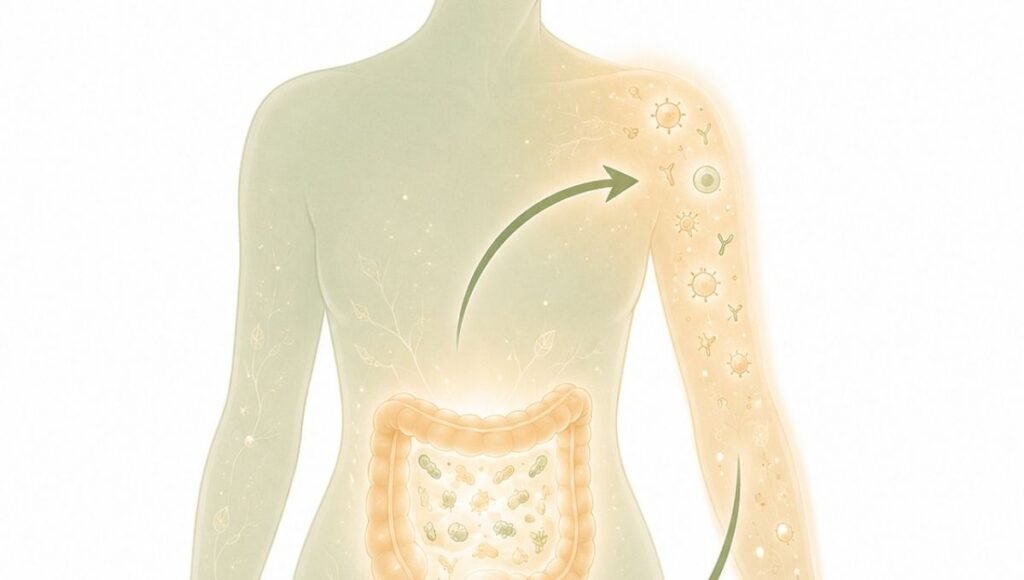
This is an area where the science has advanced significantly in the last decade, and where the “probiotics for skin” benefit is most clearly mechanistically explained.
The gut-skin axis refers to the bidirectional communication between intestinal microbiota and skin immune responses. Gut bacteria influence systemic immune function through several pathways: production of short-chain fatty acids (SCFAs) that regulate regulatory T-cell activity, maintenance of intestinal barrier integrity (preventing systemic immune activation from bacterial products crossing the gut lining), and direct modulation of inflammatory cytokine production.
In atopic dermatitis (eczema), gut dysbiosis — particularly low Bifidobacterium abundance — is consistently associated with increased disease severity. The mechanism: reduced Bifidobacterium means less SCFA production, less regulatory T-cell activity, and a Th2-skewed immune response that drives allergic inflammation in the skin.
What the research shows:
For infants and children, the evidence is most consistent. A 2025 meta-analysis of randomized trials found that probiotic supplementation produced significant reductions in SCORAD (eczema severity score) in pediatric patients. The NIH has acknowledged this evidence base as one of the better-supported probiotic health claims.
For adults with eczema, the evidence is more variable — some trials show benefit, others show modest or no effect. The gut-skin axis mechanism is real; whether probiotic supplementation produces meaningful benefit in adult eczema likely depends on whether gut dysbiosis is actually driving that individual’s skin inflammation.
Probiotics for skin beyond eczema: Emerging research on acne and psoriasis via the gut-skin axis is promising but preliminary. A 2025 systematic review on psoriasis found that probiotics may reduce inflammatory markers and disease severity scores as adjunctive therapy — but this research is not yet mature enough for strong recommendations.
Probiotics for Yeast Infections: Reasonable Support for Vaginal Health
Candida overgrowth (yeast infections) occurs when the normal microbial balance in the vaginal or gut environment is disrupted — often by antibiotics, hormonal changes, or immune stress. Lactobacillus species dominate a healthy vaginal microbiome and produce lactic acid and hydrogen peroxide that inhibit Candida growth.
Multiple trials have found that Lactobacillus probiotics — particularly L. rhamnosus GR-1 and L. reuteri RC-14* (the most studied strains for vaginal health) — reduce recurrence of bacterial vaginosis and vaginal candidiasis when taken orally. The mechanism: orally consumed Lactobacillus can translocate to the vaginal environment and reestablish protective microbial populations.
The practical guidance: For recurrent yeast infections after antibiotic courses, oral L. rhamnosus GR-1 and L. reuteri RC-14 are the most specifically studied strains. Standard probiotic blends may help but are less targeted.
Probiotics for Skin: The Broader Picture
Beyond eczema, probiotics influence skin health through multiple pathways:
Skin hydration and barrier function: Some Lactobacillus strains have been shown to improve skin hydration and reduce transepidermal water loss (TEWL) — likely through SCFA-mediated improvements in skin barrier protein production. This isn’t dramatic cosmetic improvement, but it supports the structural integrity of skin as an organ.
Inflammatory skin conditions: The gut-skin axis evidence extends to general skin inflammatory states. People with acne, rosacea, and psoriasis show patterns of gut dysbiosis, and some small trials have shown probiotic supplementation reduces inflammatory skin markers. The evidence here is less consistent and more preliminary than for eczema.
What to realistically expect for skin: If skin inflammatory conditions are part of your picture, probiotics are a reasonable adjunctive measure over a 3+ month timeframe — not a primary treatment, but a nutritional support strategy worth including alongside other approaches.
What About Probiotics for Mental Health? An Honest Assessment
The gut-brain axis — the bidirectional communication between gut microbiota and the central nervous system — is real and well-documented. The gut produces approximately 90% of the body’s serotonin. Gut bacteria influence vagal nerve signaling, GABA receptor function, and inflammatory cytokine production that affects brain function.
Does this mean probiotics treat anxiety or depression? The current evidence says: possibly helpful as an adjunct, but not as a primary intervention.
The 2018 Hungin systematic review noted that while animal models showed consistent positive results for probiotics in anxiety and depression, “definitive data from human studies are relatively sparse.” More recent meta-analyses (2019–2023) have found statistically significant but modest improvements in depression and anxiety scores with probiotic supplementation — with effects most pronounced when gut dysbiosis is a contributing factor and in people with mild to moderate (not severe) mood symptoms.
The honest framing: If you’re dealing with significant mood disorders, probiotics are not a substitute for professional evaluation and treatment. But if you’re addressing gut health broadly and also notice mood or stress resilience improvements over several months of consistent use, that’s consistent with the available evidence. Just don’t rely on it as a primary mood intervention.
Probiotics and Immunity: Real but Overstated
“Supports immune health” is one of the most common probiotic marketing claims. The mechanism is real — approximately 70% of the immune system is located in or around the gut, and gut bacteria directly train immune responses. Probiotics can reduce the incidence of common respiratory infections, particularly in children and elderly adults.
A Cochrane review of probiotics for preventing acute upper respiratory tract infections found a modest but significant reduction in infection frequency and duration. The effect size was real but not dramatic — probiotics are not an immune shield, they’re one factor among many supporting immune function.
The practical implication: Maintaining a diverse gut microbiome through diet and (where appropriate) supplementation genuinely supports immune function. But “takes probiotics therefore won’t get sick” is an overpromise the research doesn’t support.
Where Probiotic Evidence Is Still Too Thin
Weight loss: Multiple trials exist, with inconsistent results. Some show small reductions in body weight or BMI; others show no effect. The effect size, when present, is typically too small to be meaningful without dietary changes. Don’t take probiotics for weight loss.
Cholesterol: Some strains (L. acidophilus, B. longum) show modest reductions in total and LDL cholesterol in some trials. Effect sizes are small (typically 5–10 mg/dL). Not a primary intervention for high cholesterol, but may contribute as part of broader dietary change.
Blood sugar: Preliminary evidence for some Lactobacillus and Bifidobacterium strains improving insulin sensitivity, particularly in people with pre-diabetes. Too early for specific recommendations, but an area of active research.
If Probiotics Aren’t Working After 8 Weeks
Before concluding probiotics don’t work for you, check these variables:
Wrong strain for your goal. A generic multi-strain supplement may not contain the specific strain with evidence for your condition. Check whether your product contains a named strain with research for your specific symptom.
Insufficient CFU for your goal. Post-antibiotic restoration typically requires 10–50 billion CFU. A 1 billion CFU general wellness supplement may not be enough.
The symptom isn’t primarily microbiome-related. Bloating from SIBO (small intestinal bacterial overgrowth), for example, may actually worsen with some probiotics — more bacteria isn’t helpful when the problem is bacteria in the wrong location. If symptoms persist or worsen, medical evaluation is appropriate.
You stopped too early. Gut microbiome shifts take time. If you tried for 4 weeks and quit, extend to 8.
When to See a Doctor
Probiotics are not appropriate as the primary response to:
- Significant or persistent diarrhea (more than 3 days, with fever, blood in stool, or signs of dehydration)
- Severe IBS symptoms that are significantly affecting quality of life — a gastroenterologist evaluation is appropriate
- Significant mood disorders — these require professional evaluation, not a supplement
- Persistent skin conditions — dermatologist evaluation for eczema, psoriasis, or acne is appropriate; probiotics are adjunctive, not primary treatment
Frequently Asked Questions
Do probiotics help with bloating? Yes, with the clearest evidence in people with IBS or functional digestive symptoms. Probiotics reduce bloating through competitive exclusion of gas-producing bacteria and improvement in gut motility. The most studied strains are B. infantis 35624 and L. plantarum 299v. Effects typically emerge within 2–4 weeks of consistent use.
What are the main probiotic benefits? The strongest evidence is for: reducing antibiotic-associated diarrhea (by approximately 51% per Cochrane review), shortening acute infectious diarrhea by ~1 day, managing IBS symptoms (bloating, abdominal pain, irregular bowel habits), and reducing eczema severity in infants and children. Evidence for immune support, mood, and skin health is present but more variable.
Do probiotics help with eczema? For infants and children, yes — multiple RCTs and meta-analyses show meaningful reductions in eczema severity. The mechanism involves the gut-skin axis: beneficial gut bacteria improve immune regulation and reduce the Th2-skewed inflammatory response that drives eczema. Adult eczema evidence is less consistent.
Should I take probiotics after antibiotics? Yes — this is one of the best-supported uses for healthy adults. Start a probiotic within the first 2 days of antibiotic use (or as soon as possible). Saccharomyces boulardii can be taken simultaneously with the antibiotic; bacterial probiotics are best taken 2 hours apart. Continue for 2 weeks after finishing the course.
Do probiotics help with IBS? Yes, for most IBS subtypes. Multiple systematic reviews show significant improvements in overall IBS symptom scores, bloating, and abdominal pain with probiotic supplementation. Effects are strain-specific and most pronounced at 4–8 weeks of consistent use. Approximately 50–70% of IBS patients see meaningful improvement.
The Bottom Line
Probiotic benefits are real — but they’re condition-specific, strain-dependent, and more modest in scope than most marketing implies. The strongest evidence is for gut-related conditions: antibiotic-associated diarrhea, IBS symptom management, and acute infectious diarrhea. The gut-skin axis evidence for eczema in infants and children is also well-supported.
The benefits for immunity, mental health, skin beyond eczema, and metabolic parameters are real in direction but not yet strong enough in magnitude for specific recommendations. They’re areas worth monitoring as the research matures.
If you’re using probiotics for a specific gut-related condition, choose the right strain, give it 6–8 weeks, and assess results honestly. If you’re eating fermented foods daily and have no specific digestive concerns, that may already be sufficient for general microbiome support.
Want to understand which specific probiotic strains have the strongest research behind them — and how to match strains to conditions? Best Probiotic Strains: Lactobacillus, Bifidobacterium, and Beyond (C3)
Confused about CFU counts and how to read a probiotic label? What Are Probiotics? Strains, CFU, and How They Actually Work (C1)
References
- Hungin APS, Mitchell CR, Whorwell P, et al. Systematic review: probiotics in the management of lower gastrointestinal symptoms — an updated evidence-based international consensus. Alimentary Pharmacology & Therapeutics. 2018;47(8):1054-1070. doi:10.1111/apt.14539
- Goldenberg JZ, Yap C, Lytvyn L, et al. Probiotics for the prevention of Clostridium difficile-associated diarrhea in adults and children. Cochrane Database of Systematic Reviews. 2017;(12):CD006095. doi:10.1002/14651858.CD006095.pub4
- Ford AC, Harris LA, Lacy BE, Quigley EMM, Moayyedi P. Systematic review with meta-analysis: the efficacy of prebiotics, probiotics, synbiotics and antibiotics in irritable bowel syndrome. Alimentary Pharmacology & Therapeutics. 2018;48(10):1044-1060. doi:10.1111/apt.15001
- National Institutes of Health Office of Dietary Supplements. Probiotics: Fact Sheet for Consumers. Updated June 2026. https://ods.od.nih.gov/factsheets/Probiotics-Consumer/
- Jenkins G, Mason P. The Role of Prebiotics and Probiotics in Human Health: A Systematic Review with a Focus on Gut and Immune Health. Food and Nutrition Journal. 2022;7:245. doi:10.29011/2575-7091.100245